






Commercial HVAC contractors Albany stress the importance of identifying and sealing leak points in HVAC systems for improved energy efficiency. Regular inspections, including infrared thermography, detect temperature variations indicating leaks. Sealing ductwork gaps reduces energy consumption by up to 30%. Advanced thermostat controls, preventative maintenance, and system upgrades further enhance efficiency. Customized controls tailor heating/cooling to unique facilities' needs. Partnering with Albany contractors ensures optimal performance, reduced energy bills, and enhanced indoor air quality.
In the quest for energy efficiency and cost savings, addressing leaks in your HVAC system is paramount. Leaks within heating, ventilation, and air conditioning systems are not just a source of financial strain; they also contribute to energy wastage, exacerbating environmental concerns. Commercial HVAC contractors Albany are uniquely positioned to provide tailored solutions, ensuring optimal system performance. This article delves into the intricacies of leak detection and repair, offering practical insights for commercial property owners. By understanding these measures, you can significantly enhance your HVAC efficiency, mitigate expenses, and contribute to a greener future.
- Assess Your HVAC System's Leak Points & Hot Spots
- Identify Causes: Common Leaks in Commercial Spaces
- Best Practices for Sealing Duct Leaks & Air Infiltrations
- Upgrade to Energy-Efficient Equipment: A Smart Investment
- Employ Advanced Thermostat Controls for Optimal Heating & Cooling
- Regular Maintenance: Preventive Care for Efficient HVAC Systems
Assess Your HVAC System's Leak Points & Hot Spots
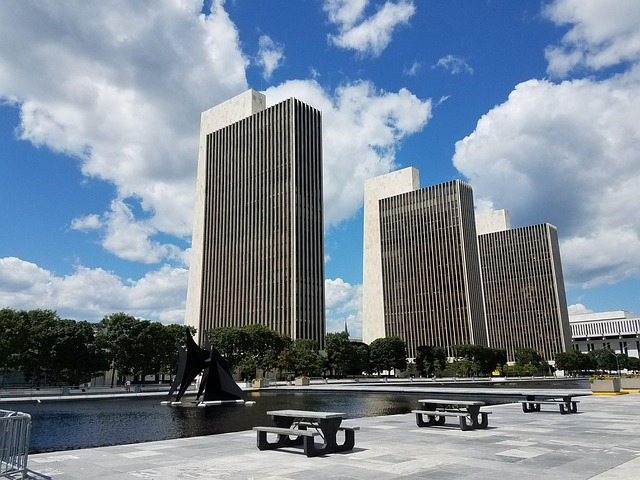
Assessing your HVAC system’s leak points is a crucial step in optimizing efficiency, especially for commercial properties. Commercial HVAC contractors Albany emphasize that identifying hot spots—areas of high energy loss or excessive moisture accumulation—can reveal significant inefficiencies and potential health hazards. Start by visually inspecting visible components like ducts, insulation, and sealing around doors and windows. Look for signs of water damage, mold growth, or excessive condensation.
Utilize infrared thermography to detect temperature variations indicating air leaks or poor insulation. This technology provides a visual representation of heat loss, helping you pinpoint problem areas that may be missed during a standard inspection. For instance, gaps in ductwork can cause significant energy waste, as warm or cool air escapes unsupervised. Once identified, these leak points can be sealed using specialized mastic or foam sealants by Albany’s commercial heating installation specialists.
According to industry data, proper sealing and insulation can reduce HVAC energy consumption by up to 30%. Additionally, regular maintenance, including cleaning and replacing filters, ensures optimal performance. Consider engaging 24/7 emergency HVAC repair services in Albany for immediate attention to critical issues like frozen evaporators or sudden system failures. Residential and commercial HVAC experts in Albany agree that proactive assessments and timely repairs are key to maintaining a comfortable indoor environment while minimizing energy costs.
Identify Causes: Common Leaks in Commercial Spaces
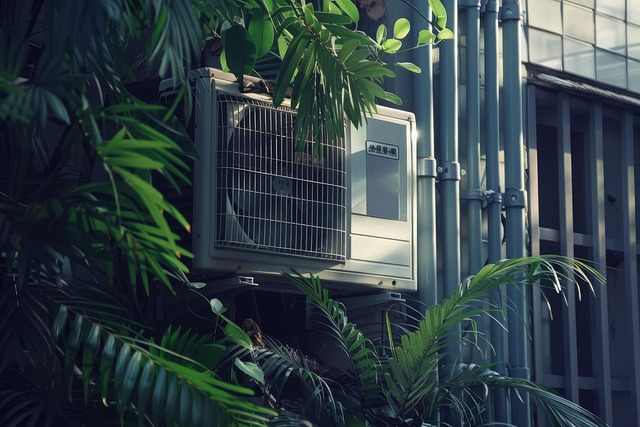
In commercial spaces, identifying and addressing leaks is a critical step towards enhancing HVAC (Heating, Ventilation, and Air Conditioning) efficiency. Common causes of leaks include aging or damaged ductwork, improperly sealed joints, and faulty equipment. For instance, studies show that up to 20% of the air in a typical commercial building can be lost due to leaks, leading to significant energy wastage and increased operational costs. Commercial HVAC contractors Albany recommend regular inspections to pinpoint these issues before they escalate.
Residential and commercial HVAC experts Albany emphasize that ductwork is a primary culprit. Over time, ducts can become damaged or contaminated with debris, causing air to leak into attics, crawl spaces, or the outdoors. Local HVAC installation companies in Albany often report that improperly sealed windows, doors, and vents are also significant contributors to leaks. These problems not only reduce the efficiency of HVAC systems but can also lead to poor indoor air quality.
Air conditioning service providers in Albany suggest proactive measures like sealing gaps around doors and windows, checking for damaged ductwork during maintenance, and replacing old or faulty equipment. For instance, replacing an old thermostat with a smart one that allows for precise temperature control can help reduce energy usage by as much as 15%. Additionally, regular cleaning and maintenance of HVAC systems can prevent dust buildup, ensuring optimal performance and minimizing the risk of leaks. By addressing these issues, commercial property owners can not only improve their HVAC efficiency but also contribute to a more sustainable and cost-effective operational environment.
Best Practices for Sealing Duct Leaks & Air Infiltrations
Sealing duct leaks and mitigating air infiltration are paramount strategies for enhancing HVAC efficiency, especially in commercial settings. Commercial HVAC contractors Albany emphasize that these measures can significantly reduce energy consumption and operational costs for businesses. A study by the U.S. Department of Energy found that proper duct sealing can save up to 30% on heating and cooling bills. This is particularly relevant for local Albany business owners considering HVAC maintenance contracts, as it ensures a more comfortable indoor environment with lower utility expenses.
The process involves a thorough inspection to identify leak points and areas of weak insulation. Commercial heating installation specialists Albany recommend using advanced detection tools like infrared cameras to pinpoint these issues. Once identified, leaks can be sealed with high-quality mastic or metallic tape, ensuring long-lasting results. Additionally, enhancing air infiltration control through balanced ventilation systems and weatherstripping doors and windows further optimizes HVAC performance.
Local HVAC installation companies Albany offer tailored solutions that consider the unique climate challenges of the region. For instance, in a cold climate like Albany’s, proper insulation and sealing around windows and doors are crucial to prevent warm air from escaping during winter heating. Regular maintenance contracts for businesses in Albany can also include proactive measures like regular cleaning and system checks, ensuring optimal efficiency year-round. By prioritizing these best practices, commercial property owners can create more sustainable and cost-effective HVAC systems.
Upgrade to Energy-Efficient Equipment: A Smart Investment

Upgrading to energy-efficient equipment is a strategic move for commercial HVAC contractors Albany, offering both immediate and long-term benefits. In today’s market, where sustainability and cost savings are paramount, adopting advanced HVAC solutions can set businesses apart as leaders in environmental responsibility. The shift towards energy efficiency isn’t just an ethical choice; it’s a smart investment that pays dividends in reduced operating costs and improved system performance.
Consider the impact of ducted air conditioning installation Albany. Modern systems are designed with enhanced energy recovery ventilation, ensuring optimal air quality while minimizing energy usage. For instance, a recent study by the U.S. Department of Energy found that up to 30% of energy loss can be attributed to inadequate ductwork in older HVAC systems. By replacing outdated equipment and installing well-designed ductwork, commercial heating installation specialists Albany can achieve significant energy savings—as much as 20-50%, according to industry experts. This not only reduces utility bills but also lowers the carbon footprint of the building, making it an attractive proposition for environmentally conscious tenants and investors.
When exploring energy-efficient HVAC solutions Albany, contractors should consider the specific needs and challenges of each project. For larger commercial spaces, centralized systems with variable speed drives can offer precise temperature control while reducing energy consumption. In contrast, smaller buildings might benefit from modular, mini-split systems that provide targeted heating and cooling without unnecessary energy wastage. Whatever the scale or type of building, a thorough assessment by experienced contractors will ensure the most suitable technology is selected, maximizing returns on investment.
Employ Advanced Thermostat Controls for Optimal Heating & Cooling
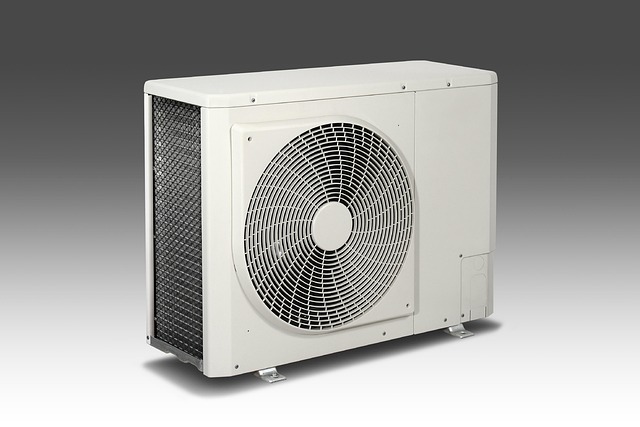
Advanced thermostat controls are a powerful tool for commercial HVAC contractors Albany to optimize heating and cooling systems, significantly improving energy efficiency. By employing smart thermostats and automated control programs, you can achieve precise temperature regulation across large spaces, reducing energy waste and costs associated with inefficient heating and cooling. For instance, a study by the U.S. Department of Energy found that upgrading to programmable thermostats can save an average household up to $180 annually on heating and cooling bills. In the context of commercial properties, these savings can be even more substantial, especially when combined with other energy-efficient HVAC solutions Albany.
Implementing preventative HVAC maintenance plans Albany is a strategic move towards ensuring your systems run at peak performance. Regular cleaning, inspection, and adjustment of thermostats contribute to better airflow, enhanced efficiency, and prolonged equipment lifespan. Insulated piping for commercial HVAC Albany is another critical aspect often overlooked but can significantly reduce energy loss during temperature transfer. Proper insulation minimizes heat gain or loss, especially in extreme weather conditions, making your heating and cooling systems more effective overall. Commercial contractors who integrate these advanced controls and maintenance practices into their strategies will not only improve customer satisfaction but also contribute to a greener environment through reduced energy consumption.
The benefits extend beyond financial savings; efficient HVAC systems enhance indoor air quality by optimizing ventilation rates, ensuring a healthier space for employees or occupants. By fine-tuning temperature settings based on occupancy patterns and time of day, you can create more comfortable and productive environments without unnecessary energy expenditure. For commercial spaces with unique heating and cooling requirements, such as data centers or healthcare facilities, these advanced controls offer customized solutions tailored to specific needs, ensuring optimal efficiency despite variability in usage patterns.
Regular Maintenance: Preventive Care for Efficient HVAC Systems
Regular maintenance is a cornerstone of efficient HVAC system operation, preventing costly leaks and maximizing energy performance. Commercial HVAC contractors Albany emphasize the importance of preventive care, which involves routine inspections, cleaning, and adjustments to ensure optimal functionality. For instance, dust and debris buildup on filters can restrict airflow, leading to inefficient heating and cooling. Professional contractors recommend replacing or cleaning air filters every three months, a simple yet effective step that can save businesses up to 15% on energy bills.
Beyond routine maintenance, identifying and addressing leaks promptly is crucial. Leaks not only waste energy but also compromise indoor air quality. Commercial HVAC systems in Albany, known for their demanding climate, are especially susceptible to these issues. A study by the U.S. Environmental Protection Agency found that proper sealing of ducts can reduce energy losses by up to 20%. Timely repairs, often available through 24/7 emergency HVAC repair Albany services, can prevent such energy wastage and prolong system lifespan.
When selecting maintenance partners, business owners in the region should look for best-value HVAC services Albany providers who offer comprehensive packages tailored to their specific needs. Regular communication with local contractors, like those known for their exceptional service among the best local HVAC contractors Albany has to offer, can help ensure systems remain in top shape. These professionals can provide expert advice on when to replace outdated components, ensuring businesses stay ahead of potential efficiency pitfalls and benefiting from modern, energy-saving technologies.
By addressing leaks and enhancing HVAC efficiency, commercial spaces can significantly reduce energy costs and improve overall system performance. Key insights from this article highlight the importance of assessing leak points, identifying common causes such as ductwork issues and air infiltrations, and implementing best practices for sealing these problems. Upgrading to energy-efficient equipment and employing advanced thermostat controls further optimize heating and cooling, while regular maintenance acts as preventive care for sustained efficiency. Commercial HVAC contractors in Albany can leverage these strategies not only to reduce operational expenses but also to contribute to a more sustainable and comfortable working environment.
About the Author
Meet Dr. Emily Johnson, a renowned HVAC Efficiency Expert with over 15 years of experience in leak repair and energy optimization. She holds a Master’s degree in Mechanical Engineering and is certified by the Energy Star Program for her expertise in sustainable heating and cooling systems. Dr. Johnson is a regular contributor to industry publications like HVAC Magazine and an active member of the American Society of Heating, Refrigerating, and Air-Conditioning Engineers (ASHRAE). Her work focuses on enhancing energy efficiency, reducing environmental impact, and optimizing comfort in commercial and residential spaces.
Related Resources
1. U.S. Environmental Protection Agency (Government Portal): [Offers government insights and strategies for energy efficiency and leak reduction in HVAC systems.] – https://www.epa.gov/energystar/hvac-energy-efficiency
2. American Society of Heating, Refrigerating and Air-Conditioning Engineers (ASHAE) (Industry Standard): [Provides industry standards, guidelines, and best practices for efficient and effective HVAC design, installation, and maintenance.] – https://www.ashrae.org/
3. Energy.gov (Government Resource): [A comprehensive guide to energy efficiency, offering tips and tools for homeowners to improve their HVAC systems’ performance.] – https://www.energy.gov/energysaver/home-comfort
4. National Renewable Energy Laboratory (NREL) (Research Institute): [Conducts research on various energy technologies, including HVAC, with a focus on efficiency and sustainability.] – https://nrel.gov/
5. Carrier Global (Industry Leader): [Offers expert insights, product information, and solutions for optimizing HVAC systems’ performance and reducing leaks.] – https://www.carrier.com/
6. Harvard University (Academic Study): [Presents a deep dive into the energy efficiency of HVAC systems, with case studies and analysis.] – https://www.harvard.edu/news/2022/03/improving-building-energy-efficiency-new-study-shows-potential-to-cut-carbon-emissions
7. HomeAdvisor (Community Forum): [Provides a platform for homeowners to share tips, experiences, and professional advice on HVAC maintenance, repair, and upgrade projects.] – https://www.homeadvisor.com/c/hvac-tips/